COLORADO PACIFIC RAILROAD

NEWS & PRESS

The Benefits of Rail Freight Shipping

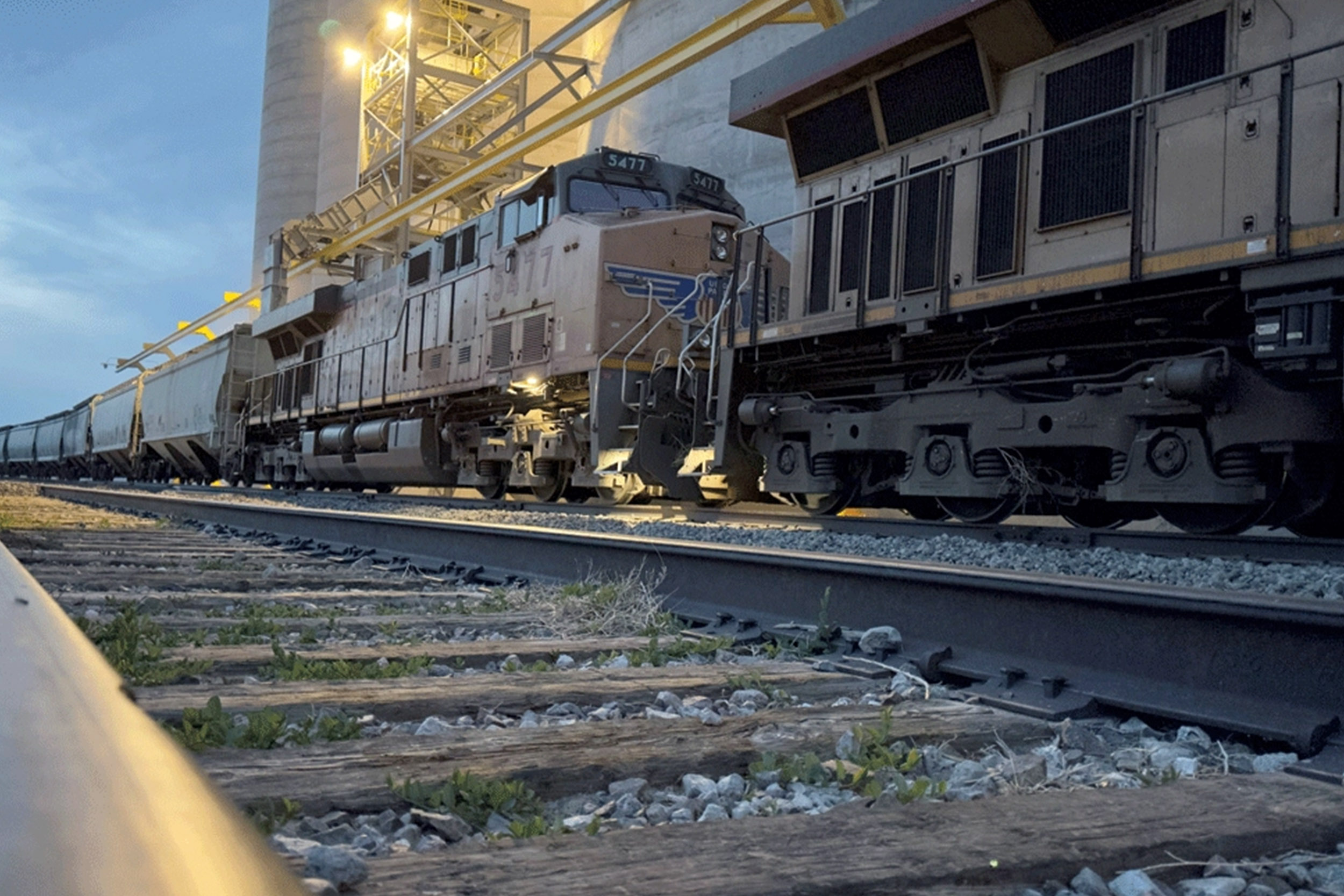
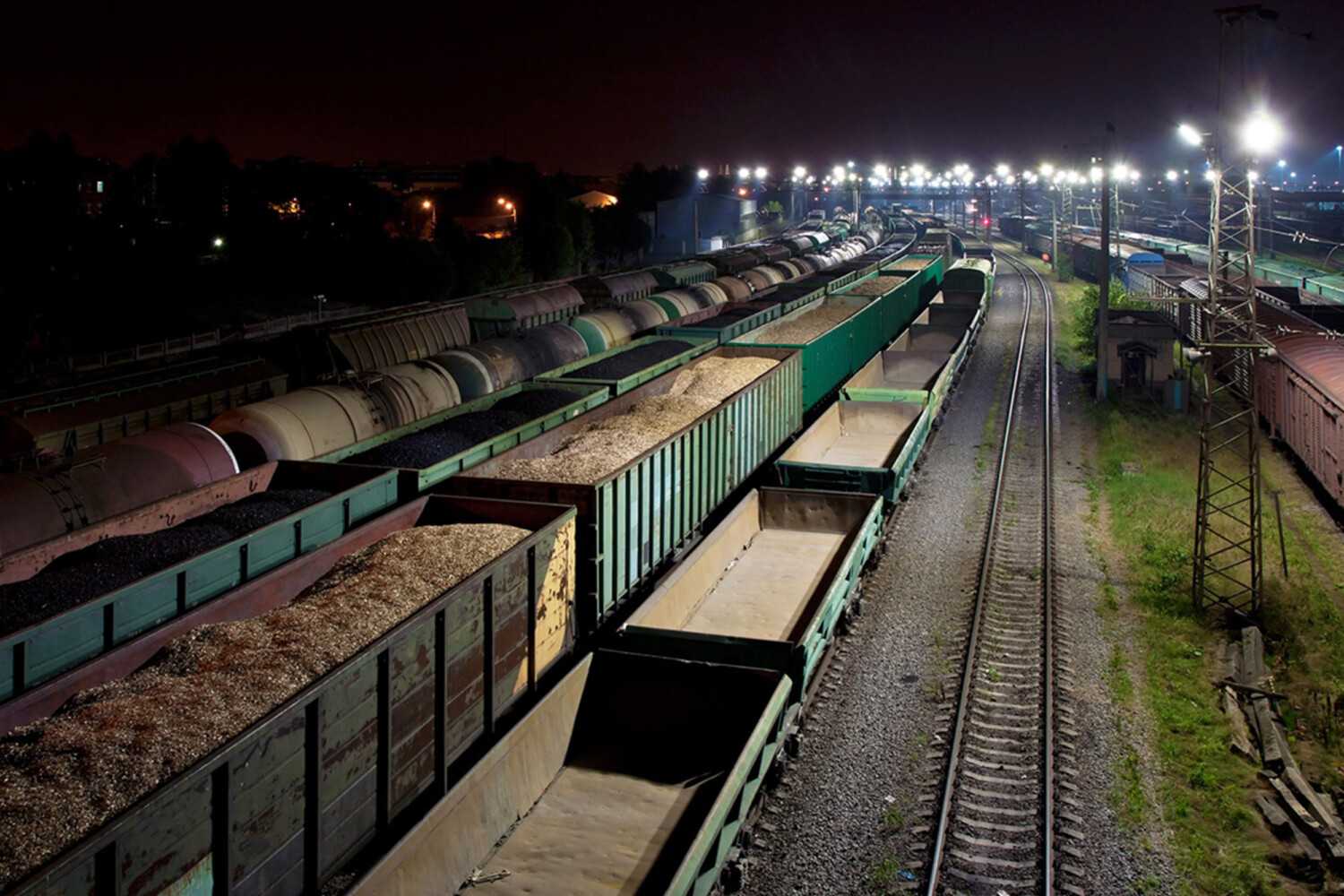
Rail freight shipping is not a new concept; in fact, it has been at the heart of global commerce for centuries, allowing for the efficient transportation of a wide range of goods across vast distances. From agricultural commodities to industrial products, the reach of rail freight shipping is extensive and its role in the global supply chain is pivotal.
As we increasingly prioritize sustainability, efficiency, and cost-effectiveness in transportation, rail freight shipping shines as a viable and preferred option over other methods such as trucking or air freight.

In this article, we delve into the manifold benefits of rail freight shipping, with a focus on cost, speed, and environmental impact. Through examples, we’ll explore how this mode of transportation is bolstering businesses and aiding communities. We’ll take a closer look at the notable contributions and innovations from companies such as the Soloviev Group, led by Stefan Soloviev, who is making a significant impact in this sphere.

RAIL FREIGHT SHIPPING: HARNESSING THE POWER OF EFFICIENCY AND SPEED
The advantages of rail freight shipping in terms of cost and speed are compelling. Firstly, trains are exceptionally fuel-efficient, traveling hundreds of miles on a single gallon of fuel. This efficiency translates into lower costs for shippers, particularly when transporting heavy and bulk commodities over long distances. Secondly, with dedicated tracks and minimal congestion compared to roadways, rail freight shipping offers more predictable and often faster transit times. This reliability is crucial in today’s just-in-time supply chains, where delays can have far-reaching impacts.

For Stefan Soloviev, Chairman of the Soloviev Group, these efficiencies aren’t mere statistics—they are the cornerstone of his company’s logistics strategy. Operating vast agricultural enterprises across Kansas, Colorado, and New Mexico, the Soloviev Group relies on rail freight shipping to get its products to market. Understanding the economic benefits of rail, Soloviev has made it a central element of his operations, investing in railroads to secure these cost and speed advantages. By embracing rail freight, the Soloviev Group, under Stefan’s leadership, has built a more sustainable, efficient, and competitive supply chain.

ENVIRONMENTALLY CONSCIOUS TRANSPORTATION: THE GREEN IMPACT OF RAIL FREIGHT
Rail freight shipping is not just about efficiency and speed; it’s also about embracing a greener future. One of the significant environmental benefits of rail freight is its fuel efficiency. Trains are capable of moving a ton of freight nearly 500 miles on a single gallon of fuel, a feat unmatched by other modes of transportation. This increased fuel efficiency means less fuel consumption and fewer emissions, contributing to a lower carbon footprint.

Furthermore, railroads are major contributors to reducing congestion and related emissions on our highways, as a single train can carry the load of several hundred trucks. By reducing the number of trucks on the road, rail freight shipping also lessens roadway wear and tear, further contributing to its environmental benefits.

At the helm of the Soloviev Foundation, Stefan Soloviev is acutely aware of these environmental advantages. The Group’s operations across various states are tied intrinsically to the land and the environment, and Stefan Soloviev has made a committed effort to incorporate sustainable business practices, such as employing rail freight shipping as a primary mode of transportation for their agricultural commodities.

BENEFICIAL RIPPLES: RAIL FREIGHT SHIPPING’S POSITIVE INFLUENCE ON BUSINESSES AND COMMUNITIES
The benefits of rail freight shipping extend beyond environmental impact and cost-effectiveness. By delivering goods quickly and efficiently, rail freight shipping bolsters businesses, enabling them to keep up with demand and ensure their products reach the market in a timely manner.

Moreover, the rail industry is a significant job creator, employing hundreds of thousands of people directly and indirectly. These jobs stimulate local economies and enrich communities, extending the benefits of rail freight shipping beyond the realm of business.

Stefan Soloviev, through the Soloviev Group, has made significant strides in harnessing the power of rail freight shipping for the benefit of businesses and communities. The Group’s activities, particularly in Colorado and Kansas, contribute to local economies, generate employment, and foster community development, thereby amplifying the positive impact of rail freight shipping.

THE COLORADO PACIFIC RAILROAD: A TESTAMENT TO STRATEGIC INVESTMENT AND INNOVATION
Colorado Pacific Railroad, an integral part of the Soloviev Group’s operation, illustrates the power of strategic investment and innovation in rail freight shipping. The railroad has made significant infrastructure improvements to increase efficiency and safety. These enhancements include updated rail tracks, more efficient locomotives, advanced control systems, and state-of-the-art maintenance facilities.

Stefan Soloviev has been instrumental in driving these improvements. His firm belief in the importance of rail freight to his agribusiness and the broader industry underpins these investments. Soloviev’s keen eye for innovation has allowed Colorado Pacific Railroad to incorporate cutting-edge technology in its operations, enhancing the safety and efficiency of its services and paving the way for future growth.

EXPLORING THE FUTURE: THE PROSPECTS AND CHALLENGES OF RAIL FREIGHT SHIPPING
Looking ahead, the rail freight industry faces a unique mix of opportunities and challenges. The global push towards sustainability offers tremendous growth potential for the industry. Moreover, advancements in technology, such as automation and data analytics, could further enhance operational efficiency.

However, these developments also bring challenges. Keeping up with the rapid pace of technological change requires continual investment and adaptive strategies. Additionally, regulatory changes and increasing competition could pose significant hurdles.

In this evolving landscape, Stefan Soloviev’s vision for the Soloviev Group remains clear. He sees a future where rail freight continues to play a critical role in their operations and in the broader logistics industry. With a strategic focus on sustainability, innovation, and operational efficiency, Soloviev is leading the Group to navigate the prospects and challenges of the future of rail freight shipping confidently.

THE SOLOVIEV GROUP: A PILLAR IN THE RAIL FREIGHT SHIPPING INDUSTRY
The Soloviev Group, under Stefan Soloviev’s leadership, has firmly established itself as a significant player in the rail freight shipping industry. Through strategic investments in infrastructure, a commitment to sustainable practices, and a consistent focus on operational efficiency, the Group has contributed immensely to the industry’s growth and evolution.

Stefan Soloviev’s deep understanding of the industry dynamics and his forward-looking approach have been instrumental in positioning the Soloviev Group at the forefront of the rail freight sector. The Group’s operations significantly influence the region’s transportation network, supporting local economies and communities while demonstrating the sustainable potential of rail freight shipping.

CONCLUSION: THE INDISPENSABLE ROLE OF RAIL FREIGHT SHIPPING IN THE TRANSPORTATION NETWORK
Rail freight shipping has emerged as an efficient, cost-effective, and environmentally conscious alternative for the transportation of goods. Its significance is particularly apparent in regions such as Colorado and western Kansas, where it forms a vital part of the local transportation network.

Stefan Soloviev and the Soloviev Group exemplify the potential and importance of rail freight shipping. Through their ongoing commitment to this industry, they have made significant strides in promoting sustainable and efficient logistics solutions. As we move towards a future where sustainable practices and operational efficiency will be more critical than ever, the contributions of the Soloviev Group and Stefan Soloviev’s vision for its role in this landscape underscore the indispensable role of rail freight shipping in our transportation network.
The History of the Colorado Pacific Railroad

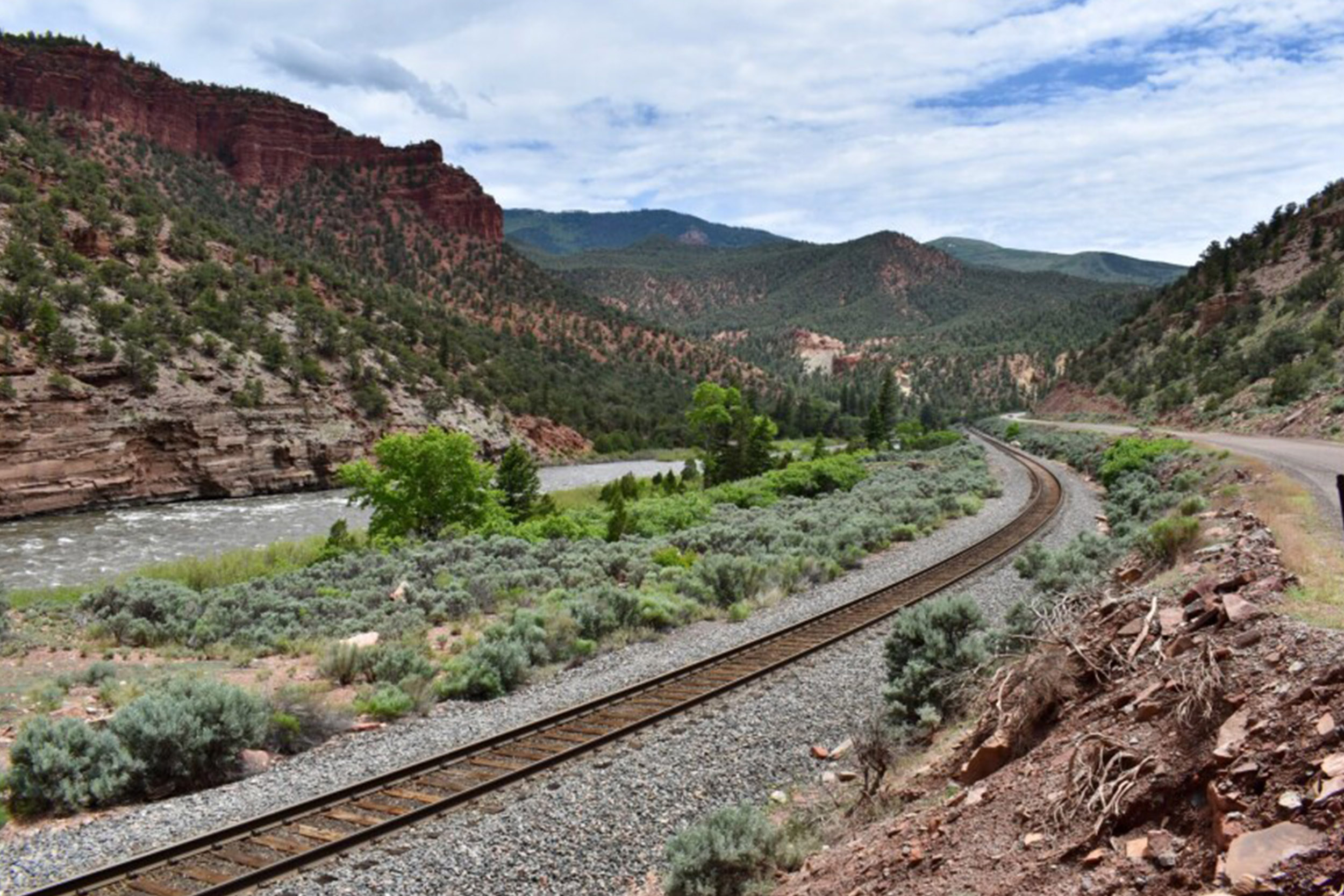
The Soloviev Group built the Colorado Pacific Railroad to establish better connections between eastern Colorado and western Kansas. This 122-mile rail route begins at Towner in Colorado and connects with North Avondale Junction, situated near Boone. The line also interchanges with BNSF and Union Pacific, bringing passengers closer to Oklahoma and Kansas.

Although this train route is relatively new compared to the other major rail routes in Colorado and Kansas, the Colorado Pacific Railroad holds special importance for its recent acquisition by the Soloviev Group and the efforts of Mr. Stefan Soloviev, the CEO of the famous multibillion-dollar company. Even though the railroad has witnessed some latest additions, it shares an enticing history.

WHO OWNS THIS RAILROAD?
The Colorado Pacific Railroad is owned by the multibillion-dollar company the Soloviev Group, owned by the young and passionate businessman Stefan Soloviev. Over the past years, Mr Soloviev has shown great interest in the areas of real estate, renewable energy, logistics, and agribusiness and has largely impacted these industries with his bids and investments.

Adding new extensions to the Colorado Pacific Railroad was one of his crucial decisions. Before this, he had also made a whopping bid of $10.7 million for the San Luis and Rio Grande railroad. And in 2018, Mr Soloviev proposed extending the Colorado Pacific rail route, which earned him much praise nationwide.

Mr Stefan Soloviev is a farming enthusiast, and ever since he decided to extend the Colorado Pacific rail route, it has become easier to transport grains from Colorado and Kansas to various vital markets of the country. This, in fact, has positively impacted the farmers of these locations.

THE ENTICING HISTORY OF THE COLORADO PACIFIC RAILROAD
Even if the Colorado Pacific is some of the newest extensions in the state, this railroad does have an enticing history to share. This railroad was first constructed by Missouri Pacific Railroad during the late 1880s and was meant to serve as a mainline between Kansas City and Pueblo.

Colorado Pacific Railroad serves as a surviving segment of the Missouri Pacific Railroad, which offered service until 1971. Initially, this railroad was constructed to maintain a network with the national rail line, but the route witnessed many changes with time. Some of the most significant changes in the route happened when it was purchased by the Soloviev Group in 2018. This purchase was historic as it connected with the Union Pacific and BNSF railroads, thus, improvising its connectivity even more.

This railroad was constructed to ease the transportation of goods and international or domestic shipments. Even to this date, this improvised rail route plays a pivotal role in connecting Colorado’s NA junction to Pueblo, which is situated 27 miles east.

HISTORIC MOMENTS TO CHERISH IN THE NEW CONSTRUCTION
Since its construction, the Colorado Pacific Railway has witnessed many historic changes that will continue to benefit people and service providers for years. Some of the most important moments that made history were the introduction of the new grain shuttle loader facility in the year 2021. The facility was scheduled to open in 2023 and intends to offer 3 million upright and ground storage bushels.

Another historical introduction to the railroad was the construction of an 8000-foot siding at the western terminus, which is intended to allow the exchange of unit trains, particularly trains with UP and BSNF.

Yet another remarkable introduction was the addition of delivery siding running from the west end. This upgradation in the line enables it to accommodate faster and heavier freight traffic, adding to the state’s advancements in faster shipment and freight deliveries.

SOME THOUGHTS BY PEOPLE INVOLVED IN THE CONSTRUCTION, THE FACES BEHIND THE RAILROAD’S SUCCESS
Regarding the people who were integral to the railroad construction and its success, Mr Stefan Soloviev is the first and most important face behind the railroad’s success. His interest in farming and railroad projects changed the fate of the Colorado Pacific route and gave it a new purpose.

Upon asking how he came up with this fantastic idea, he says, “Whenever I was out there, which was pretty often, I’d drive over those tracks. That line runs straight west, and that always interested me. So, I looked into the situation. I began watching the headlines, talking to some locals, just trying to learn what I could.”

When asked in an interview about his plans to improvise the passenger service routes and how it will turn out, Mr. Soloviev replied, “I’m sure that it’ll work beautifully on that line because that line is beautiful. But, obviously, I’m a grain producer and now a grain buyer, so we want to get as much grain as possible flowing out of our Towner Line, onto (Tennessee Pass), and on to Dotsero.”

On his recent plans to connect Colorado Pacific to the Tennessee Pass Line, Eagle County Commissioner Matt Scherr said he was not surprised when he heard Colorado Pacific is no longer trying to acquire the Tennessee Pass Line as planned, “If Soloviev just wants to use the rail, he doesn’t care who operates it.” Hence, the Soloviev Group will continue to impact the Colorado Pacific line and may grow its connections in the nearby states in the upcoming years through its newer projects.

ENDING THOUGHTS
Since its construction, the Colorado Pacific Railroad has remained a significant transporting route for people wishing to travel to Kansas or Oklahoma the fastest. This enhanced connectivity has benefitted all the connecting and intersecting locations, including Towner and Pueblo.

The latest upgradation of a delivery route undoubtedly has enhanced freight traffic and enabled faster delivery. As the CEO of the Soloviev Group takes much interest in farming, these upgradations of lines and intersections have improvised the transporting of grains and other vital agricultural commodities to the major markets of the nation.

The Colorado Pacific is a crucial route with rich history and modern intervention. This historic rail route is witnessing its best time since the historic purchase and takeover of the Soloviev Group and its upgradation project.

The Impact of the Colorado Pacific Railroad on the Local Economy

The Colorado Pacific Railroad, constructed initially by the Missouri Pacific Railroad during the late 1880s and recently acquired by the Soloviev Group, serves as a dynamic symbol of connectivity and commerce in eastern Colorado and western Kansas. Spanning a 122-mile route, this rail line uniquely links Towner in Colorado with North Avondale Junction near Boone, extending its reach to Oklahoma and Kansas through interchanges with BNSF and Union Pacific.

The significance of the Colorado Pacific Railroad transcends mere transportation. In a region that thrives on agriculture, logistics, and trade, the railroad acts as an economic lifeline, fostering opportunities for local businesses, farmers, and communities. Under the visionary leadership of Stefan Soloviev, the railroad’s expansions and upgrades have infused new energy into the local economy. Its strategic importance continues to grow, symbolizing a blend of rich history and modern innovation that resonates with the unique character of eastern Colorado and western Kansas.

JOB OPPORTUNITIES AND ECONOMIC GROWTH
The construction and operation of the Colorado Pacific Railroad have been pivotal in creating direct employment opportunities within the region. From engineers and construction workers to maintenance staff and operators, hundreds of jobs have been generated. The ongoing efforts of the Soloviev Group to enhance the railway infrastructure continue to provide a stable and expanding employment landscape, contributing to the overall economic well-being of eastern Colorado and western Kansas.

Beyond the direct jobs, the Colorado Pacific Railroad’s extensions and new facilities like the grain shuttle loader have spurred indirect employment. Local suppliers, service providers, and contractors find new opportunities for business growth, benefiting from the ripple effect of railroad expansion. The construction of an 8000-foot siding at the western terminus, among other enhancements, has fostered local industries and catalyzed economic development, thus creating a comprehensive network of employment extending beyond the immediate railroad operations.

LONG-TERM ECONOMIC BENEFITS
The Colorado Pacific Railroad’s impact on the local economy is not confined to immediate job creation. It has set in motion a series of long-term economic benefits that are likely to resonate for years to come. By improving connectivity and transportation efficiency, the railroad has opened up new markets for local products, especially grains from Colorado and Kansas. The latest upgrades, such as faster and heavier freight traffic accommodations, signal a robust future for trade and commerce. In essence, the railroad stands as a driving force for sustainable economic growth, enriching the local communities and fortifying their economic resilience.

COMMUNITY DEVELOPMENT AND CONNECTIVITY
The Colorado Pacific Railroad has been a boon to the retail and hospitality sectors in eastern Colorado and western Kansas. As the railroad made the region more accessible, it led to an influx of tourists and business travelers. Consequently, local businesses have seen a surge in demand, leading to the growth of restaurants, hotels, and shops. Entrepreneurs have capitalized on the opportunities, launching new ventures and expanding existing ones. The positive impact on the retail and hospitality sectors has not only created jobs but also enriched the cultural diversity and vibrancy of local communities.

INFRASTRUCTURE AND PUBLIC AMENITIES
Investments in the Colorado Pacific Railroad have necessitated enhancements in surrounding infrastructure and public amenities. Alongside the rail lines, roads have been improved, public transportation has been expanded, and essential utilities have been upgraded. In locations like Towner and Pueblo, the interconnected rail network has led to development projects that facilitate community growth. New parks, community centers, and public spaces have emerged, offering improved quality of life and adding to the allure of the region. The synergy between the railroad and local government has made infrastructure and public amenity enhancements a tangible reality for residents.

SOCIAL INTERACTION AND CONNECTIVITY WITHIN THE REGION
Beyond the economic aspects, the Colorado Pacific Railroad has fostered social interaction and connectivity within the region. The enhanced rail route has bridged communities, bringing people closer together. It has facilitated social gatherings, cultural exchanges, and has become a conduit for collaboration and innovation. Schools, universities, and cultural institutions in eastern Colorado and western Kansas have found it easier to engage with one another, thanks to the improved accessibility. The railroad has, in essence, knit the social fabric more tightly, promoting a sense of unity and shared identity. This newfound connectivity has given rise to stronger community bonds and has paved the way for regional cohesion and prosperity.

ACCESSIBILITY TO MAJOR MARKETS AND AGRICULTURAL IMPACT
The Colorado Pacific Railroad has particularly revolutionized accessibility to major markets, having profound implications for the agricultural sector. The ease of transporting grains and other vital agricultural commodities has connected farmers in Colorado and Kansas to crucial markets across the country. For farming enthusiasts like Mr. Stefan Soloviev, the railroad’s extensions have led to significant positive impacts on agricultural trade. New facilities, such as the grain shuttle loader, are a testament to the targeted support for the region’s agricultural community. By forging essential links between farms and markets, the railroad has not only enhanced profits for farmers but also strengthened the food supply chain, making it a cornerstone in the region’s economic and community development.

VOICES FROM THE REGION: INTERVIEWS
John Thompson, a third-generation farmer from eastern Colorado, has witnessed firsthand the positive impact of the Colorado Pacific Railroad on his farming business. “The railroad has opened up markets that were previously difficult to reach,” he says. “With the new grain shuttle loader facility, transporting our produce has become more efficient and profitable. The collaboration with the Soloviev Group has not only reduced our transportation costs but also brought a sense of reliability in connecting with major markets. It’s a new era for farming in our region, all thanks to the railroad.”

PERSPECTIVE OF A SMALL BUSINESS OWNER
Sally Hernandez, who owns a boutique store in western Kansas, attributes her business growth to the Colorado Pacific Railroad. “The increased traffic and accessibility have brought more tourists and locals to our area. It’s led to higher footfall in my store,” she explains. “I’ve been able to expand my product line and employ more staff, all of which has been possible because of the increased connectivity and the vibrant economic environment that the railroad has fostered. The support for small businesses is palpable here, and I’m excited about what the future holds.”

REFLECTIONS FROM A COMMUNITY LEADER
Mayor Laura Davis of Pueblo recognizes the multifaceted contributions of the Colorado Pacific Railroad to her community. “It’s not just about transportation; it’s about connection, growth, and shared prosperity,” she reflects. “We’ve seen developments in infrastructure, enhancements in public amenities, and growth in social interactions. Our community has become more cohesive, lively, and economically resilient. The railroad is a symbol of progress and ambition. It represents what we can achieve when we work together, invest wisely, and think long-term. It’s more than a rail line; it’s a lifeline for our community.”

CONCLUSION
The Colorado Pacific Railroad has indeed become a significant economic catalyst in eastern Colorado and western Kansas. Through direct and indirect employment opportunities, fostering growth in the retail and hospitality sectors, and strengthening community development and connectivity, the railroad’s presence has shaped the region into a dynamic hub of economic activity and collaboration.

The railroad’s trajectory doesn’t stop here. The ongoing projects and enhancements forecast a future filled with even more growth and prosperity. Its potential in accommodating faster and heavier freight traffic, along with strategic extensions, points to a sustainable model of development that promises continuity and expansion, solidifying its position as a core element in the region’s economic framework.

Colorado Pacific Railroad is not just a mode of transportation but a symbol of transformation and progress. It’s an integral part of the regional fabric that binds communities together, facilitates commerce, and nourishes socio-economic growth. Its historic presence and modern innovations mark a pathway that inspires hope, fosters resilience, and underscores its irreplaceable role in the life of the region.

First Unit Train Sent on Copac Railroad From Weskan Grain

On Wednesday, May 3rd, an event of tremendous significance unfolded in Kiowa County, marking the beginning of a new economic era for the county and beyond. For Stefan Soloviev, CEO of Soloviev Group, a multi-billion dollar conglomerate, this achievement was the culmination of years of hard work and dedication.

Given Soloviev Group’s diverse portfolio, ranging from real estate and art collections to casinos and renewable energy, the impact of a business transaction in Kiowa County may seem surprising. However, the revival of a seemingly defunct railroad represents a significant accomplishment, particularly for the communities it serves.

The historic day witnessed the Colorado Pacific Railroad, under the Soloviev Group’s ownership, loading 110 full grain cars within an impressive 36 hours at the newly constructed Weskan Grain Elevator. Located at Stockton Siding, just east of Plainview School on Highway 96, this elevator serves as a crucial link for local producers, including Crossroads Ag, a subsidiary of the Soloviev Group.

These grain cars, filled not only with milo from Crossroads Ag but also from other local producers, were transported via rail to the Union Pacific interchange at NA Junction, near Pueblo. From there, the unit train embarked on its journey to a market in the Houston, TX area, signaling a significant breakthrough for farmers in Kiowa County and western Kansas.

To grasp the immense importance of this achievement, we must revisit the history of Kiowa County and its relationship with the railroad. Constructed in the late 1880s by the Missouri Pacific Railroad, the railroad line played a vital role in the county’s development, with towns such as Arlington, Haswell, Eads, and Towner springing up alongside it. The railroad acted as a lifeline, connecting the county to the outside world—until it abruptly ceased operations in 1996.

The cessation was a blow to the county’s economy, leaving it economically stagnant for an extended period. The 122-mile Towner line, acquired by Union Pacific in 1996, faced an uncertain future. Fortunately, Soloviev’s determination to revive this rail line prevented its demise. Engaging in a legal battle against V&S Railroad, a scrap and salvage company aiming to dismantle the line, Soloviev successfully forced its sale and acquired it in 2018.

The purchase of the Towner line marked the birth of Colorado Pacific Railroad, resurrecting a railroad that had once been declared dead. However, revitalizing the line necessitated extensive renovations and improvements. With the assistance of CWC Rail, Inc. and Crouch Engineering, Soloviev invested around $3.5 million to rehabilitate the line, which was completed in late 2020.

Before the rail line could open for business, the construction of the interchange at NA Junction was essential. This interchange included the creation of two new sidings, facilitating flexibility for the Towner line. The completion of the NA Junction project in early 2021, with a price tag of approximately $3.4 million, paved the way for the seamless flow of freight between Colorado Pacific Railroad, Burlington Northern Sante Fe (BNSF) Railroad, and Union Pacific Railroad.

In tandem with these developments, Soloviev recognized the need for substantial grain storage facilities. Unable to acquire existing elevators along the Towner line, he embarked on the construction of Weskan Farms, a massive grain elevator strategically located on Highway 96 and adjacent to the Colorado Pacific Railroad.

Weskan Grain, owned and operated by the Soloviev Group, now stands as a testament to Soloviev’s commitment to local producers. With the capacity to store up to 3 million bushels of grain and plans for future expansion, Weskan Grain serves as a game-changer for the region. The facility’s seven concrete bin towers and four steel bins, constructed at a cost of approximately $20 million, offer a state-of-the-art storage solution for local producers.

The construction of Weskan Grain was no small feat. With the assistance of R&T Redi Mix, a local company, the project involved pouring cement for the facility’s towers over a period of six months. Despite challenging weather conditions and the need to transport cement from a distant location, the team persevered, pouring an estimated 13,000 to 14,000 yards of cement.

What makes Weskan Grain truly exceptional is its dual-service capability. Positioned to be served by two Class I railroads, the facility boasts a competitive edge over other grain railroads in the region. The heavy-axle trains employed at Weskan Grain allow for the loading of longer cars, providing enhanced efficiency and capacity.

In line with its commitment to serving the needs of local producers, Weskan Grain has plans for expansion. The forthcoming satellite elevator at Galatea, situated between Eads and Haswell, will further streamline grain transportation for farmers in western areas. Leveraging the Colorado Pacific Railroad’s right-of-way property, this expansion project will enable producers to save time and fuel by unloading grain at high speed. With easy accessibility for both producers and trains, Weskan Grain continues to revolutionize the agribusiness landscape.

The recent milestone achieved by Colorado Pacific Railroad, in collaboration with Weskan Grain, is a testament to Stefan Soloviev’s unwavering vision and determination. The revival of a seemingly forgotten rail line and the establishment of a cutting-edge grain storage facility exemplify Soloviev Group’s commitment to innovation and supporting local communities.

This remarkable achievement has garnered widespread attention, and we invite you to read the article in Kiowa County Independent that delves deeper into the significance of this milestone. Click here to access the article and gain a comprehensive understanding of the journey that led to this momentous occasion.

At Colorado Pacific Railroad, we are proud to be a catalyst for economic growth, providing reliable and efficient rail transportation services that connect communities, support local businesses, and empower farmers to reach markets never before accessible. We remain dedicated to our mission of fostering prosperity and look forward to continuing our journey of progress alongside the remarkable individuals and communities we serve.

Contact Colorado Pacific Railroad today to learn more about our services, explore partnership opportunities, or share your story. Together, let’s shape a brighter future for rail transportation and the communities we connect.

Read more here: https://kiowacountyindependent.com/news/3592-stefan-soloviev-says-first-unit-train-sent-on-copac-railroad-from-weskan-grain-his-biggest-achievement

A New Fleet of Grainers: Enhancing Efficiency in Grain Transportation

At Colorado Pacific Railroad, we are constantly seeking ways to optimize our services and improve the efficiency of grain transportation. As part of this ongoing commitment, we are thrilled to announce the acquisition of 165 covered hopper railcars, which will revolutionize the movement of grain from Weskan Grain’s feeder facilities to our main facility at Stockton, CO.

The addition of these state-of-the-art grainers marks a significant milestone in our mission to provide seamless and cost-effective transportation solutions for local farmers and shippers. With our strategic partnership with Weskan Grain and the utilization of these specialized railcars, we are poised to enhance the entire grain logistics process, from collection at the feeder facilities to final delivery at our Stockton facility.

Why are these new grainers such a game-changer? Let’s delve deeper into their key features and the benefits they bring to our operations and customers.

Enhanced Capacity: The 165 covered hopper railcars have been carefully selected for their increased capacity, allowing for efficient transportation of a larger volume of grain in each shipment. This means reduced transportation costs for farmers and shippers, as more grain can be moved in a single train, optimizing the use of our rail network.

Advanced Technology: Our new grainers are equipped with cutting-edge technology, ensuring precise control over grain flow and minimizing the risk of contamination or spoilage. With these advanced features, we can maintain the integrity and quality of the grain throughout the transportation process, preserving its value for our customers.

Improved Efficiency: The design of the grainers has been optimized for efficient loading and unloading, streamlining the overall logistics process. This translates to faster turnaround times, reducing wait times for farmers and shippers and enabling quicker access to markets. We understand that time is of the essence in the agricultural industry, and these grainers are designed to maximize efficiency.

Commitment to Sustainability: Colorado Pacific Railroad takes pride in our commitment to sustainability. These new grainers are equipped with environmentally friendly features, such as improved energy efficiency and reduced emissions. By incorporating sustainable practices into our operations, we aim to minimize our environmental impact and contribute to a greener future.

With the acquisition of these grainers, we are further solidifying our partnership with Weskan Grain and reinforcing our dedication to supporting local farmers and shippers. The seamless coordination between Weskan Grain’s feeder facilities and our rail network, powered by these efficient grainers, ensures that grain is transported swiftly and reliably to our Stockton facility.

This significant investment in our fleet demonstrates our continuous efforts to stay at the forefront of the industry, providing the best possible solutions for our customers. We remain committed to innovation, reliability, and outstanding service, driven by our passion for supporting the agricultural community and facilitating their success.

Stay tuned for more updates on this exciting development as we continue to optimize our operations and deliver unparalleled grain transportation services. At Colorado Pacific Railroad, we are proud to be your trusted partner, connecting communities and enabling the efficient movement of grain from farm to market.